.webp)




Escape Tsunami For Brainrots! is more than just a catchy phrase—it represents a growing cultural reaction to a hot game trend that has flooded social media, gaming platforms, and everyday conversations. Players across the globe are diving into fast-paced, dopamine-driven games that are easy to start and hard to stop. This article explores what Escape Tsunami For Brainrots! truly means, how to understand the phenomenon, manage it wisely, and decide whether escaping—or embracing—it is the right move for you.
Written in clear, natural English from a human expert perspective, this long-form guide walks through the rise, impact, strategies, advantages, drawbacks, and future of this hot game movement. Whether you feel addicted, curious, or simply overwhelmed, this article will help you navigate the tsunami instead of drowning in it.
1. The Origin of Escape Tsunami For Brainrots!
The phrase Escape Tsunami For Brainrots! was born from online gaming communities that felt overwhelmed by the sudden flood of viral, hyper-casual games. These games were designed for speed, repetition, and instant reward, creating a sense that players’ minds were being flooded nonstop.
At first, the phrase was used jokingly. Players described themselves as “brainrotted” after hours of looping gameplay. Over time, however, Escape Tsunami For Brainrots! evolved into a serious expression of concern about attention span, mental fatigue, and digital balance in modern gaming culture.
Early reactions came from forums, comment sections, and meme pages. Influencers and streamers later picked it up, turning the phrase into a symbol of resistance against mindless overconsumption while still appreciating what makes a hot game enjoyable.
2. Understanding the Brainrot Phenomenon
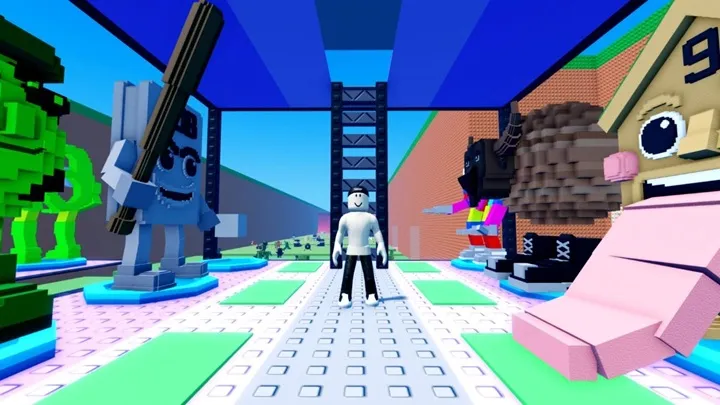
Brainrot is a slang term used to describe the mental exhaustion that comes from consuming too much fast, repetitive digital content. In gaming, brainrot often appears when players feel numb yet compelled to keep playing.
In the context of Escape Tsunami For Brainrots!, brainrot is closely tied to game design. Many hot game titles rely on bright visuals, simple mechanics, and constant rewards. These elements activate dopamine responses in the brain, encouraging players to continue even when they no longer feel genuine enjoyment.
Psychological triggers include instant gratification, low effort requirements, and endless replayability. While these features are not inherently bad, they can become harmful when players lose awareness of time, motivation, and balance.
3. Why Escape Tsunami For Brainrots! Became a Hot Game Topic
Escape Tsunami For Brainrots! became popular because it captured a shared emotional experience. Players everywhere felt the same pressure: too many games, too little depth, and constant stimulation.
Social media platforms amplified the issue. Short videos, challenges, and clips made every hot game feel unavoidable. Algorithms pushed the most addictive content, ensuring that even casual users were exposed repeatedly.
As a result, players began questioning whether they were playing for fun or simply reacting to digital pressure. The phrase Escape Tsunami For Brainrots! turned into both a warning and a rallying cry for mindful gaming.
4. How to Play Escape Tsunami For Brainrots! Without Losing Control
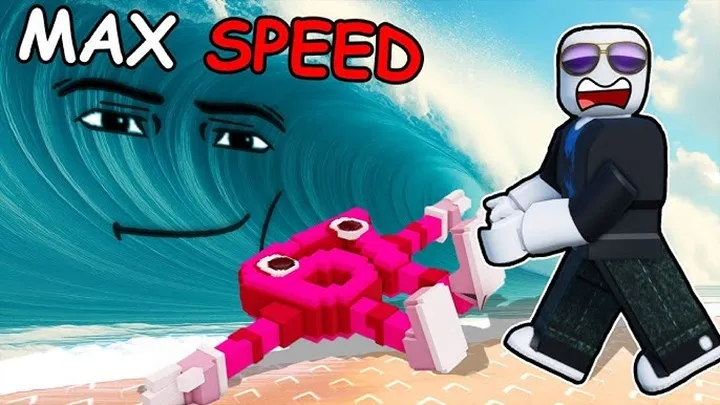
Learning how to enjoy these games responsibly is essential. The problem is rarely the game itself, but rather how long and how mindlessly it is played.
Setting clear boundaries is the first step. This can include time limits, scheduled breaks, or deciding in advance how many rounds you will play. These small habits help prevent burnout and maintain enjoyment.
Mindful gaming techniques encourage players to stay aware of their mental state. Playing with intention—rather than reflex—helps transform a potentially draining hot game into a controlled source of entertainment.
Helpful practices include:
- Playing with a specific goal
- Avoiding endless, unplanned sessions
- Reflecting on how you feel after playing
5. Pros of Escape Tsunami For Brainrots!
One of the biggest strengths of this trend is accessibility. Most games associated with Escape Tsunami For Brainrots! are easy to understand and quick to start. This makes them appealing to players of all skill levels.
Another major benefit is entertainment value. These games are designed to be fun immediately, offering fast rewards and satisfying feedback. For short breaks or stress relief, a hot game can be highly effective.
Social connection is another advantage. Players share memes, clips, and challenges, forming communities around shared experiences. This sense of belonging is a powerful reason why the trend continues to grow.
Pros include:
- Low barrier to entry
- High replay value
- Strong online communities
6. Cons of Escape Tsunami For Brainrots!
Despite the fun, there are serious downsides. Mental fatigue is the most common complaint. Long sessions can leave players feeling drained, unfocused, and unmotivated.
Another drawback is the lack of depth. Many of these games prioritize repetition over creativity or storytelling. Over time, this can reduce satisfaction and make other activities feel less engaging.
Addiction risk is also a concern. The very mechanics that make a hot game enjoyable can encourage unhealthy habits if left unchecked.
Common cons include:
- Reduced attention span
- Shallow gameplay loops
- Potential for compulsive play
7. Rating Escape Tsunami For Brainrots! as a Hot Game Trend
From an expert viewpoint, Escape Tsunami For Brainrots! deserves a mixed but fair evaluation. It succeeds at what it aims to do—deliver fast fun—but struggles with long-term value.
Overall rating: 7.5 out of 10
Category breakdown:
- Fun factor: 9/10
- Addiction risk: 8/10
- Gameplay depth: 5/10
- Replayability: 9/10
This rating reflects the importance of player responsibility. When managed well, the experience can be positive. When ignored, it can become overwhelming.
8. How to Escape Tsunami For Brainrots! Successfully
Escaping does not necessarily mean quitting gaming. Instead, it means choosing healthier alternatives and habits.
One effective how to strategy is diversifying your game choices. Slower, narrative-driven games or strategy titles can help reset your expectations and attention span.
Balancing gaming with offline activities is equally important. Physical movement, creative hobbies, and social interactions help reduce dependency on constant digital stimulation.
Helpful alternatives include:
- Exercise or outdoor activities
- Reading or learning new skills
- Creative outlets like drawing or music
9. The Future of Brainrot Games
The gaming industry is beginning to respond to criticism. Some developers are adding features that promote healthier play, such as optional limits, slower modes, or deeper mechanics.
As player awareness grows, the definition of a hot game may change. Success may no longer rely solely on addiction-based design, but also on meaningful engagement and player well-being.
Gamers themselves are becoming more conscious consumers. This shift in attitude has the potential to reshape gaming culture into something more sustainable and fulfilling.
10. Final Thoughts on Escape Tsunami For Brainrots!
Escape Tsunami For Brainrots! is not a demand to abandon modern games. Instead, it is a reminder to stay aware, intentional, and balanced.
Understanding how to interact with a hot game responsibly allows players to enjoy the excitement without sacrificing mental clarity or long-term satisfaction.
From an expert perspective, the future of gaming depends on balance. When players and developers work together, games can remain fun, engaging, and healthy.
Conclusion
The rise of Escape Tsunami For Brainrots! highlights a deeper conversation about modern digital habits. By recognizing the pros, cons, and strategies involved, players can enjoy trending games without being consumed by them. Balance, awareness, and choice are the keys to surviving—and enjoying—the tsunami.