.webp)








The Last Worker is a narrative driven first person adventure that combines satire, emotional storytelling, and immersive gameplay focused on automation, corporate dystopia, and human persistence. You play as Kurt, the final human employee working in a massive automated fulfillment center run by a megacorporation. Your job is simple on paper but packed with moral choices, unexpected discoveries, stealth challenges, puzzle solving, and interactions with quirky characters.
This guide explores how to play The Last Worker from start to finish. It is organized chronologically and teaches you everything you need to know, from learning the controls to making difficult decisions that shape the narrative. Whether you aim to master your worker device, explore the enormous factory peacefully, or fulfill your role with rebellious intent, this guide will walk you step by step through the experience.
The Last Worker is not only a game of tasks and mechanics. It is also a story about human identity in a fully automated world. That is why understanding its emotional themes and gameplay structure helps you navigate both the physical and moral challenges ahead.
Understanding the World of The Last Worker
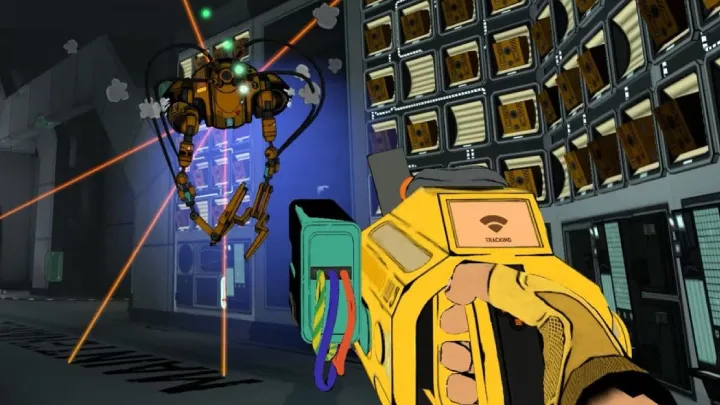
Before learning how to progress, you must fully grasp the world you are entering. The Last Worker is set in a gigantic automated warehouse known as Jüngle, a parody of real world corporate giants. Every item, package, and robot in the facility follows strict guidelines governed by artificial intelligence.
You, however, are the only human left. This makes your role important, not because the company needs you, but because you represent a relic of a fading era. Knowing this helps you understand why the tasks you perform hold deeper meaning.
The world is colorful yet deeply unsettling. Every section of the facility presents strange humor mixed with loneliness. As you progress, the game will force you to decide between staying loyal to the corporation or helping a resistance group. Understanding these themes makes navigating the world much easier because you can predict narrative shifts before they happen.
The environment of Jüngle is also enormous, with various sections including conveyor halls, storage towers, factory wings, recycling zones, and restricted areas. Your journey into each section becomes more complex and dangerous the further you go.
Learning the Basic Controls
The first step to mastering The Last Worker is understanding your movement and device controls. Similar to other first person adventure games, your mobility is smooth and the pacing is slower to encourage observation of the world.
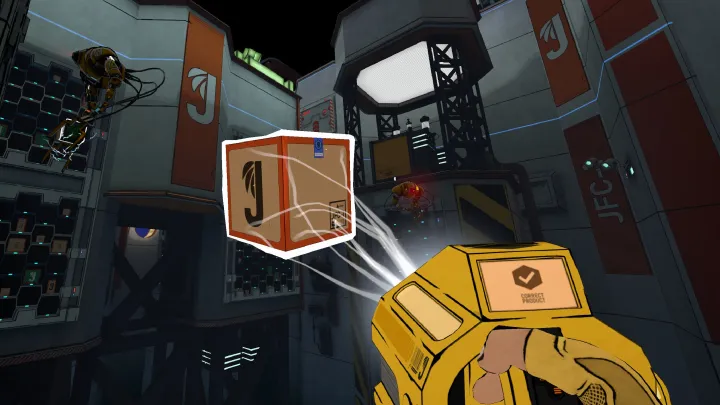
Your main tool is the Jüngle Gun, even though it is not a weapon. The gun allows you to scan, grab, inspect, and deliver packages. It is your key to interacting with everything in the environment. Learning how to use it efficiently affects your performance rating, which influences story progression.
Movement controls include hovering, turning, braking, and using the Jüngle Gun. Since much of your job revolves around transporting packages, mastering the physics of drifting, slowing, and aligning your device is crucial. The conveyor zones can be especially tricky for beginners because you must maintain flow and accuracy.
Understanding the gun also means learning how to analyze package data. Each package you handle displays information such as weight, size, and destination. Incorrect sorting affects your rating and may unlock different narrative consequences.
How to Complete Early Game Tasks
The early game introduces your main objectives. These include picking up packages, scanning them, ensuring they match their data, and delivering them to the correct slot.
Early objectives are simple but help you get used to the rhythm of the game:
List of early tasks
Scan packages and check their dimensions
Identify damaged items
Deliver packages to correct stations
Avoid penalties by following guidelines
Learn timing between conveyor lanes
Early tasks help teach you the scoring system. Packages that do not match their assigned data must be rejected or redirected. Performing these actions correctly helps you gain confidence before the story becomes more complex.
The early chapters also introduce your robot companion Skew. Skew offers comedic dialogue while helping you navigate the facility. Learning how Skew communicates helps you understand story cues and hidden hints.
How to Make Decisions That Influence the Story
The Last Worker features branching narratives driven by player choices. These choices appear throughout the story, often tied to how you perform at your job, what conversations you engage in, and how you respond to certain moral dilemmas.
Your decisions may affect:
Your relationship with Skew
Your involvement with the resistance
Your loyalty to Jüngle
Which endings you unlock
One of the most important things to learn is how to interpret dialogue options. Some choices appear humorous but can deeply impact later events. Since the story satirizes big tech culture, some options seem logical but lead to consequences you may not expect.
To navigate the story effectively, think carefully about your goals. Do you want to expose the corporation, or do you want Kurt to keep his job? Understanding your personal direction helps you make meaningful decisions.
How to Navigate the Mid Game Missions
Mid game missions involve more complex tasks. You begin exploring restricted areas, using stealth to avoid detection, and solving environmental puzzles. The missions become more layered, and your interactions with characters intensify.
You may need to repair broken robots, redirect power sources, infiltrate locked sectors, and deliver vital data to the resistance. As tasks become riskier, the game introduces failsafes to guide you. If you miss a step, the narrative does not break. Instead, it responds to your actions dynamically.
In the mid game, your relationship with Skew becomes even more important. Skew not only supports you but also tests your beliefs. Some missions require Skew to hack systems or distract surveillance machines while you perform your part.
Understanding these interactions deeply enhances your experience because The Last Worker focuses on emotional storytelling as much as gameplay.
How to Approach Stealth and High Risk Situations
Later sections introduce enemy drones and advanced security machines. These adversaries are designed to enforce workplace discipline. While The Last Worker is not primarily a combat game, stealth plays a significant role in survival.
When navigating risky zones, use slow and controlled movements. Quickly darting around corners or cutting close to active patrol lines dramatically increases your chances of failure.
Tips for stealth navigation
Observe drone patrol patterns
Use shadows and blind spots
Hide behind objects until a drone moves
Avoid triggering alarms by rushing
Use Skew strategically to distract devices
Many rooms include narrow passages or multi level structures. Your ability to float up or down using your hover device helps you control distance from enemies. Remember that drones react to sound, movement, and sometimes bright colors.
If detected, you must quickly escape and hide until the alarm resets. The penalty for getting caught varies but usually affects your story path or performance score.
How to Solve Complex Puzzles
Puzzle solving becomes essential in deeper areas of the facility. Puzzles may include mechanical systems, electrical grids, delivery paths, or multi part objectives involving both you and Skew.
Most puzzles follow a clear logic once you observe the environment carefully. While puzzles rarely require extreme precision, they demand patience and planning.
Some puzzle types include:
Rewiring panels
Repositioning delivery rails
Adjusting conveyor rhythms
Scanning for faulty packages
Unlocking coded doors
Balancing weight and height systems
A useful rule is to examine all interactive parts of a room before attempting a solution. Many puzzles are interconnected. Solving one step too early may block access to another requirement. Approach each puzzle slowly and map out the order of operations in your mind.
How to Prepare for the Late Game
The late game is where all themes, mechanics, and narrative choices converge. You face tougher moral decisions, higher stakes, and faster paced missions. Kurt begins to uncover the true intentions of the corporation, and the resistance demands more of him.
You will encounter larger environments, tighter stealth corridors, and more dangerous drones. Some missions require flawless timing, while others rely purely on dialogue decisions. Understanding the tone of each mission helps you decide how to approach it.
During this phase, emotional storytelling intensifies. Be prepared for strong dialogue, ironic twists, and moments that challenge earlier assumptions. Your ending path becomes more obvious depending on your performance and relationships.
How to Reach and Complete the Final Chapters
The final chapters combine every major mechanic introduced earlier, including scanning, stealth, puzzles, and narrative decisions. The mission design becomes more cinematic, with dramatic visuals and intense pacing.
To complete the final chapters successfully, focus on accuracy. Misplacing even one package or triggering an alarm may lead to consequences that alter your ending. While none of the endings are strictly wrong, completing the game thoughtfully gives the story richer meaning.
Expect emotional resolution in the final act. The story confronts questions about humanity, automation, freedom, and moral responsibility. Your connection to Skew becomes central, and your final choices determine Kurt’s fate within the corporate world.
Even though the game is humorous, the final scenes carry heavy emotional impact. Navigating these chapters slowly and carefully leads to the best experience.
Conclusion
The Last Worker blends satire, narrative depth, and immersive mechanics to create a one of a kind adventure about human identity in a fully automated world. By learning to navigate warehouse tasks, understanding the scoring system, mastering stealth, solving puzzles, and making meaningful story decisions, you can guide Kurt through an unforgettable journey. This guide walks you step by step through early tasks, mid game challenges, late game sequences, and final narrative choices so you can enjoy the experience fully. With patience and observation, anyone can appreciate the emotional and humorous world that defines The Last Worker.
Summary
A full guide to The Last Worker covering tasks, controls, story choices, puzzles, stealth, and strategies for completing every major stage of the corporate dystopian journey.