





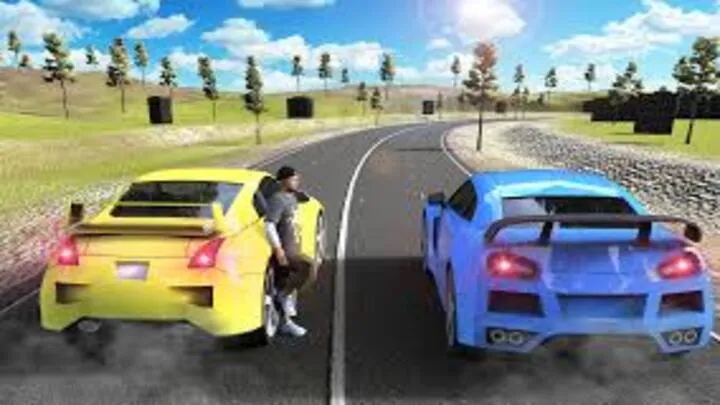
GTR Drift Simulator 3D Race is a dynamic driving and drifting game that blends arcade-style freedom with realistic drift physics. Built for players who love sharp turns, long drifts, impressive car customizations, and fast-paced racing challenges, the game rewards precise control, mastery of momentum, and smart upgrades.
This blog gives you a complete guide to becoming a better drifter—from understanding car physics to maximizing your drift score and handling competitive races with confidence.
1. Understanding the Core Drifting Mechanics
Unlike typical racing games where acceleration and top speed dominate, GTR Drift Simulator 3D Race focuses heavily on traction, angle control, and throttle timing. Successful drifting requires balancing speed with steering input so your car slides without spinning out.
Key concepts to understand early:
- Initiation – how you start the drift
- Counter-steering – controlling the angle
- Throttle control – keeping momentum without losing grip
- Weight shift – using your car’s body movement to guide the drift
Mastering these fundamentals is the foundation for every advanced technique in the game.
2. Choosing the Right Car for Drifting
While many cars can drift, certain models feel smoother and more responsive due to their handling stats and power distribution. Beginners should choose balanced vehicles with moderate speed and stable handling.
A good drift car typically has:
- Quick steering response
- Moderate acceleration
- Predictable rear traction
- Lightweight body design
Avoid high-power cars early on—they spin out easily and require more advanced control.
3. Adjusting Sensitivity and Controls
Before you begin serious drifting, take time to customize your control settings. Small tweaks can dramatically improve your performance.
Recommended for beginners:
- Steering sensitivity: Medium
- Acceleration: Button or pedal control (more precise)
- Handling assist: Off or low for higher drift freedom
- Brake sensitivity: Medium-high
Experiment with settings during free-roam sessions until the car feels intuitive.
4. Perfecting Drift Initiation Techniques
There are several consistent ways to begin a drift. Learning each method helps you handle different types of corners.

Handbrake Initiation
Best for sharp turns.
Tap the handbrake just as you turn, then immediately counter-steer.
Power Over
Used with high-torque cars.
Accelerate aggressively while turning to break rear traction.
Feint Drift
Ideal for wide corners.
Quickly steer in the opposite direction, then snap back to the corner to shift weight and begin a smooth drift.
Practice each technique until you know when to use them instinctively.
5. Maintaining the Drift: Speed, Angle, and Rhythm
Once you start drifting, the challenge becomes keeping it alive without losing control. Focus on:
- Speed: Too slow = drift breaks. Too fast = spin-out.
- Angle: Larger angles give higher points but demand precision.
- Rhythm: Steady throttle and steering input is key.
Think of drifting as "dancing" with the car—smooth movements always beat aggressive jerks.
6. Map Awareness: Using Track Layout to Your Advantage
Different tracks require different strategies. Mastering map flow drastically improves drift chaining and score building.
Wide Urban Roads
Perfect for long, controlled drifts and big scoring combos.
Tight City Sections
Focus on handbrake turns and short drift bursts.
Mountain Roads
Use the slope to your advantage—downhill drifts maintain speed more easily.
Knowing the track helps you anticipate corners rather than react at the last second.
7. Scoring High: How to Build Combos Like a Pro
Drifting is only half the job—the other half is maximizing your score.

To build consistent combos:
- Keep the drift alive as long as possible
- Connect drifts with smooth transitions
- Avoid hitting walls and obstacles
- Maintain high speed during the drift
- Use longer angles to multiply score
A single long drift is often worth more than multiple short ones.
8. Upgrading Your Car for Peak Performance
Upgrades matter in GTR Drift Simulator 3D Race, especially as you face tougher challenges.
Prioritize:
- Handling upgrades – more stability in turns
- Tire improvements – better traction control
- Power tuning – more acceleration for stronger drift initiations
- Suspension adjustments – improved weight shift
A properly tuned car feels entirely different—more responsive, more predictable, and more fun.
9. Customization for Drift Performance and Style
While customization is partly cosmetic, some visual parts also slightly influence drift realism (like weight, width, or wheel alignment.
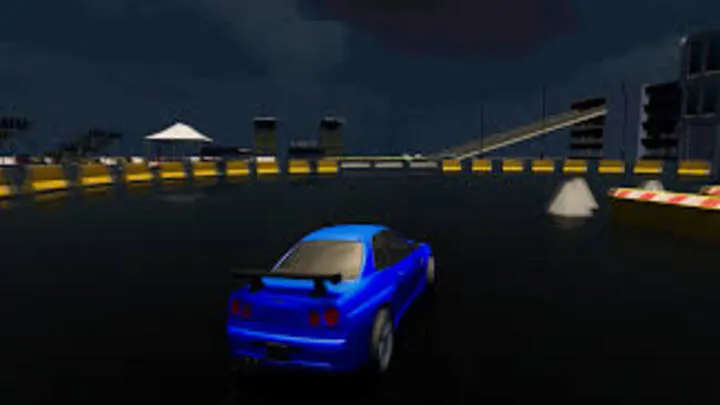
You can customize:
- Body kits
- Paint styles
- Rims
- Wheel size
- Camber angles
- Suspension height
A wider stance and lower suspension often provide more stable drift handling.
Plus—you'll look awesome doing it.
10. Practice Routines to Become Drift Champion
The best players improve by practicing with intention. Try these routines:
Routine 1: Drift Circuit Warm-Up
Spend 10 minutes drifting the same circular area to improve angle control.
Routine 2: Late Brake Timing
Practice braking later before corners to maintain higher momentum.
Routine 3: Drift Chaining
On a long track, focus on connecting drifts instead of maximizing angle.
Routine 4: Line Perfection
Drive one lap without drifting—just hit perfect racing lines. This builds precision.
Daily practice builds muscle memory and consistency faster than anything else.
Conclusion
Mastering GTR Drift Simulator 3D Race requires patience, control, and a willingness to fine-tune both your driving style and your vehicle. By understanding drift physics, practicing initiation methods, studying track layouts, improving your car’s performance, and customizing controls, you’ll become a confident and stylish drifter capable of chaining long combos and dominating races.
Whether you want to achieve high scores, perfect your drift angles, or simply glide through tracks with effortless style, the game offers endless room to grow. Stay consistent, experiment with setups, and enjoy the thrill of mastering every turn.