.webp)

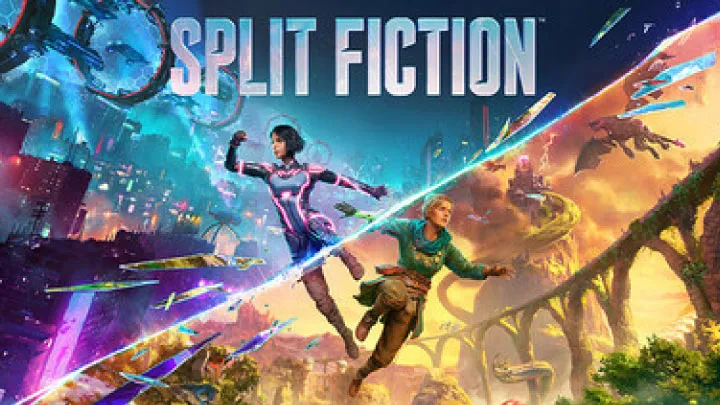
Split Fiction has emerged as a notable title within the gaming community, renowned for its unique narrative structure that intertwines multiple character arcs and timelines. Developed by the indie studio Paradox Narratives, this role-playing game invites players to control various characters, each with their own complex stories that converge at critical moments. While the game is celebrated for its ambitious storytelling, a significant issue arises: maintaining narrative cohesion across these diverse storylines. This article examines the intricacies of narrative design in Split Fiction, analyzing its impact on player immersion and engagement.
Introduction to Split Fiction
Unpacking a Unique Concept
Released in early 2023, Split Fiction presents a novel approach to storytelling, challenging conventional linear narratives by empowering players to navigate through the lives of different characters simultaneously. Each character offers a unique perspective on the overarching plot, enabling players to experience a multifaceted narrative. The game’s innovative episodic structure encourages exploration and engagement as players switch between characters, unraveling secrets and interconnections.
The Importance of Narrative Cohesion
While the complexity of Split Fiction’s narrative is one of its major selling points, it also introduces inherent challenges. With multiple storylines weaving in and out, the risk of disjointed narratives can lead to player confusion, diminishing immersion and emotional investment. Ensuring that these stories not only coexist but also enhance the overall experience is crucial for the game’s success.
The Design of Multi-Character Storylines
Creating Distinct Character Arcs
In Split Fiction, each character is meticulously crafted with their unique backgrounds, motivations, and challenges. This differentiation provides players with varied emotional experiences, enriching the gameplay. Characters can include:
- The Reluctant Hero: A character grappling with self-doubt yet forced to confront a global threat.
- The Betrayer: A once-trusted ally now struggling with conflicting loyalties.
- The Seeker: An individual on a quest for truth, uncovering hidden histories.
Weaving Storylines Together
The interplay between the story arcs requires careful planning. Developers must outline how each character's actions impact the broader narrative, ensuring that decisions made in one storyline resonate in others. For instance, a betrayal in one arc might lead to unexpected consequences in another, thereby reinforcing the interconnectedness of the narrative.
The Challenge of Maintaining Cohesion
The Risk of Narrative Fragmentation
The main challenge lies in ensuring that intersecting stories do not become overly convoluted or fragmented. Players may become overwhelmed by shifting contexts, leading to disengagement. This fragmentation can detract from the emotional weight of each character's journey, with some arcs feeling underdeveloped or extraneous.
Player Experience and Emotional Investment
Maintaining a cohesive narrative structure is vital for player immersion. If players feel disconnected from the unfolding stories, their emotional investment in outcomes and character fates diminishes. The game must ensure that transitions between character arcs are smooth and intuitive, allowing players to follow the narrative thread easily.
Mechanisms for Enhancing Narrative Cohesion
Utilizing a Richly Developed World
A well-developed game world can serve as a unifying backdrop for multiple storylines. Split Fiction creates an intricate world where each character’s journey is shaped by their environment. The settings are filled with lore and clues that enhance the narrative, offering players hints about how different characters converge.
Implementing Narrative Checkpoints
Introducing narrative checkpoints can help guide players through the complexity of multiple arcs. By providing brief recaps or reminders of key events and character relationships, developers can allow players to reorient themselves without overwhelming them with backstory.
- Dynamic Recaps: At critical plot junctures, players can receive synopses of events in other character arcs that may influence their next decisions.
Crafting Dialogue That Connects
Dialogue serves as a crucial tool for weaving narratives together. Providing characters with shared interactions allows for recurring motifs and themes, reinforcing the interconnectedness of their stories. When characters interact, they should reference each other’s experiences, creating a sense of unity.
Analyzing Player Feedback
The Value of Player Insights
As Split Fiction continues to evolve, player feedback is essential to refining the narrative experience. Listening to community discussions, reviews, and player forums can reveal insights into which storylines resonate and which might feel lacking.
Addressing Player Concerns
Developers can prioritize addressing common player concerns by implementing changes based on feedback. For instance, if players express confusion during transitions between storylines, designers may need to consider clearer visual cues or additional narrative context to guide players.
The Role of Pacing in Narrative Flow
Balancing Action and Reflection
Pacing is a vital component of narrative cohesion. In Split Fiction, maintaining a rhythm between action-rich sequences and reflective moments allows players the space to digest character developments fully. Too much action can lead to narrative fatigue, while prolonged moments of reflection may diminish engagement.
Implementing Varied Gameplay Mechanics
To achieve an optimal pacing balance, the game can incorporate various gameplay mechanics. Action sequences can be interspersed with quieter moments in which players explore character emotions and relationships. This fluctuation aids in building tension and allowing players to connect deeply with the story.
The Impact of Visual and Audio Design
Enhancing Narrative through Art Direction
Visual design serves not simply as eye candy but as a medium for storytelling. Through distinct visual styles for each character’s narrative arc, developers can create a unique atmosphere that reflects the individual’s emotional state. For example, darker shades may emphasize despair, while brighter colors reflect hope and courage.
Sound Design as a Narrative Tool
Sound design plays an equally critical role in Split Fiction. An evocative soundtrack can cue emotional responses and transitions between character arcs. Moreover, voice acting adds depth, allowing players to connect intimately with personalities and decisions.
Future Directions for Narrative Complexity
Expanding Character Interactions
As the game evolves, developers should continually seek ways to enhance interaction among characters. New storylines could emerge that explore secondary characters’ relationships, providing opportunities for meaningful dialogue that ties back to main arcs.
Incorporating Player Choices
Implementing branching narrative paths based on player choices can create diverse experiences, allowing players to feel empowered by their decisions. The impact of these choices reinforces the interconnectedness of characters and allows for dynamic storytelling.
Conclusion
Split Fiction stands as a testament to the potential of innovative narrative design within the gaming medium. While the challenge of maintaining narrative cohesion across multiple character arcs is significant, the game’s ability to intertwine stories offers a rich experience for players. By considering mechanisms to enhance cohesiveness, incorporating player feedback, and evolving gameplay mechanics, the developers can foster an impactful narrative landscape that resonates with players long after they finish the game. As Split Fiction continues to develop and expand, its commitment to storytelling will remain central to its legacy, offering a model for future narrative-driven games in the industry.