.webp)
The Witcher 3: Best Gwent Decks Tier List – Master the Card Game
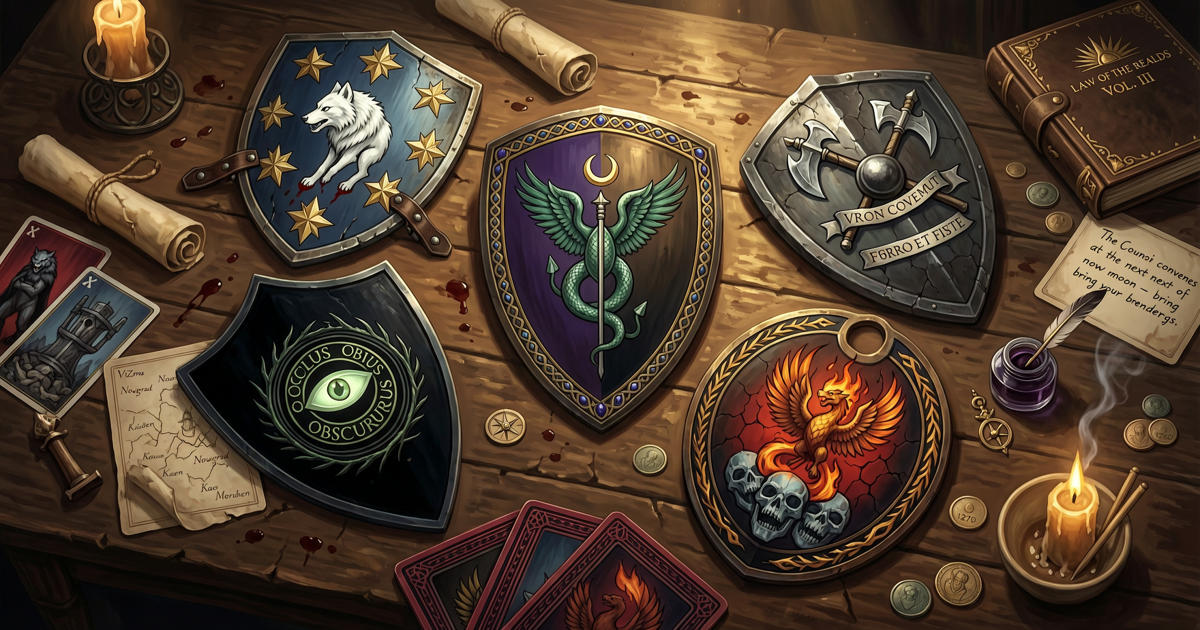
In Witcher 3: Wild Hunt, there's a war raging that has nothing to do with the Wild Hunt or the bloody war between Nilfgaard and Redania. I'm talking about Gwent — a deceptively simple card game that has eaten more hours than all of Skellige's drinking contests combined. While you can stumble through with a starter deck, dominating the Gwent board requires a deep understanding of your faction's strengths and the patience to collect the best cards. Whether you're a bard trying to impress Dandelion or a completionist hunting the “Card Collector” achievement, this tier list will show you which faction reigns supreme and how to pilot them to victory.
Gwent Basics: How the Card Game Works
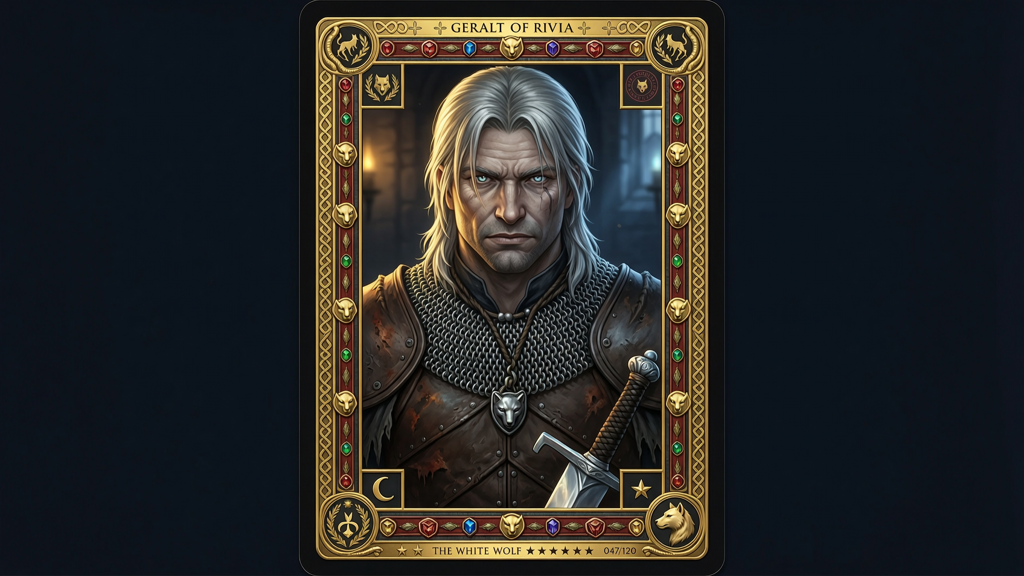
Gwent is played over three rounds. Each round, you draw 10 cards from your deck, and you win a round by having the highest total strength on the board. You can play one card per turn, or pass to conserve cards. The tricky part is that you don't get to refill your hand between rounds — so managing your deck's spy cards, decoys, and weather cards is critical. Every faction has a unique leader ability and a pool of unit cards that synergize with its strategy. Knowing your faction's identity is the first step to victory.
Gwent Tier List: Every Faction Ranked
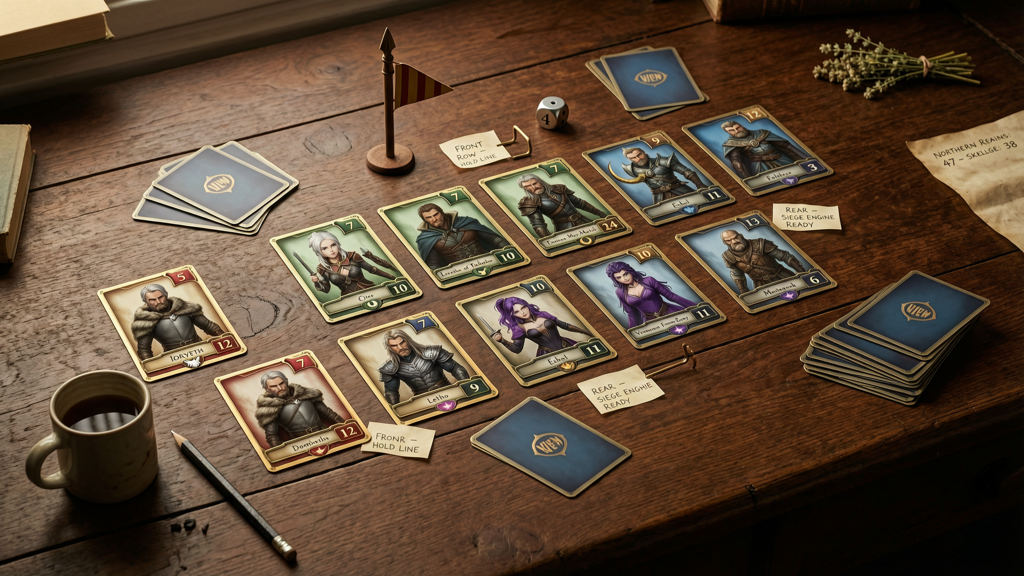
S-Tier: Northern Realms
The Northern Realms are the perfect starting point for beginners and the absolute best for tournament-level play. Why? Their leader ability, “Lord Commander” (Foltest), lets you clear weather conditions from your side, and their special ability grants an extra card whenever you win a round. That card advantage snowballs into a massive edge in rounds two and three. Their siege units, like the Ballista and Trebuchet, are cheap and stack with the “Tight Bond” ability, allowing them to multiply strength when played together. Add legendary cards like Yennefer of Vengerberg (who scorches the strongest enemy unit) and Villentretenmerth (a dragon that never gets scorched himself) and you have a deck that can out-grind anyone. Counters to weather cards make them resilient.
A-Tier: Nilfgaardian Empire
Nilfgaard is the faction of control and cunning. Their leader, “The White Flame” (Emhyr var Emreis), lets you draw a card from your opponent's discard pile and play it, which is absolutely devastating against spy-heavy decks. Their ability gives you a bonus when you win a round based on tie-breakers? Actually, in the base game, the Nilfgaard faction ability is that you win ties — that's strong! Plus, their “Emissary” spies let you draw cards directly into your hand. The infamous “Medic” units allow you to resurrect cards from your own discard pile, giving you a second chance to play key combo pieces. Nilfgaard is slower than Northern Realms, but their ability to steal and manipulate the battlefield makes them a top pick for players who enjoy mind games. Just be careful: their units often have lower average strength, so you must rely on card advantage and synergy.
B-Tier: Scoia'tael
The Scoia'tael (dwarves and elves) are the rogue faction, favoring agility and hit-and-run tactics. Their leader ability, “Bringer of Peace” (Francesca Findabair), allows you to move a unit back to your hand, which is great for reusing medics or spies. Their faction ability is that they choose who goes first in each round — that's actually a huge tactical advantage, letting you force your opponent to respond to your board or pass early. However, their units lack raw power, and their reliance on “Dwarven Skirmishers” and “Elven Archer” requires precise card sequencing. The Scoia'tael can dominate in the hands of an expert who knows exactly when to pass, but for most players, they're a side quest rather than a main quest.
C-Tier: Monsters
Last but least, the Monsters deck. It has one trick: swamp the board with units through “Muster” cards that automatically pull all copies of the same unit from your deck. When it works, you can spam a row with 20+ strength in a single move. But the Monsters deck is extremely vulnerable to weather cards, and their leader, “Destroyer of Worlds” (Eredin), only lets you keep a card on the board when you lose a round — a defensive ability that rarely pays off. The lack of spies and medics means you cannot generate card advantage, so once your hand runs out, you're dead in the water. In the base game, Monsters can win the first round in one massive swing, but smart opponents will just pass and let you waste your entire hand. We recommend this deck only for casual fun or meme plays.
Pro Tips to Dominate Gwent
- Always include at least 3 spies: Spies are the most powerful mechanic in Gwent — you give your opponent strength, but you draw cards. Card advantage wins rounds, so always include spies like Prince Stennis or Emissary.
- Don't be afraid to pass early: If your opponent plays a massive muster combo, let them win the round and conserve your cards. Winning two subsequent rounds with a full hand is the classic comeback strategy.
- Control the weather: Weather cards turn strong boards into wet noodles. Use Biting Frost to shut down siege rows and Impenetrable Fog to neutralize ranged units. Just make sure to include a clearing ability or leader like Foltest to counter the counter.
- Collect every unique card: Some cards are one-of-a-kind and cannot be bought — you get them by beating named opponents during quests. Don't miss the Gwent: Playing Innkeeps quest and challenge every merchant you meet.
- Master the three-round mind game: Even if you lose the first round, you can win the next two if you preserve your best cards. Calculate your opponent's hand size and force them to overcommit.
At the end of the day, the best deck is the one you know inside and out. But if you're looking for a guaranteed path to victory, build the Northern Realms deck, load it with spies, medics, and your favorite heroes, and watch every Gwent opponent from White Orchard to Skellige fall before your cards. Now go collect those cards, and remember — when it comes to Gwent, no one can beat a prepared witcher.