Rematch: The Ultimate Guide to a Hot Game and How To Master Every Round
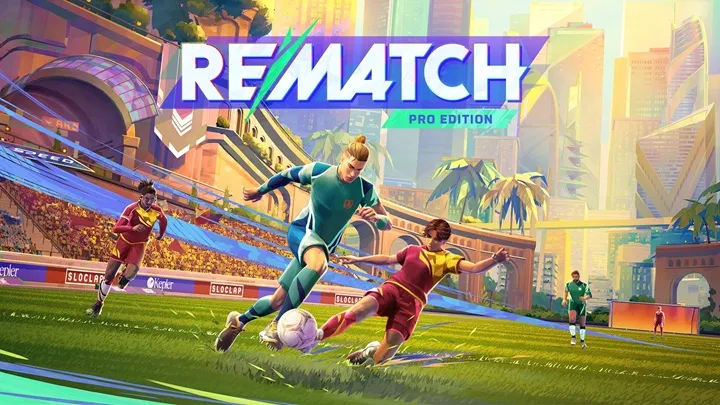
In the competitive world of gaming and sports, the word Rematch carries weight. It promises redemption, rivalry, and the chance to prove that a previous result was not the final story. Whether you're playing a console shooter, a strategy title, a tabletop classic, or an athletic contest, a Rematch is the reset button for pride and performance. This guide explains how to approach rematches thoughtfully in any hot game, breaking down strategy, psychology, preparation, and long-term improvement. Read on to turn second chances into consistent victories.
The Meaning of a Rematch in Modern Competition
A Rematch is a direct repeat of a contest between the same opponents, often occurring immediately after the first match or scheduled later. In modern gaming, the term has broadened: it can be a literal replay in a tournament bracket, a "play again" button in an online lobby, or an unofficial challenge issued among friends. Regardless of format, the same impulse drives players—an urge to settle unfinished business.
Rematches are a core element of any hot game because they heighten stakes and narrative. When two players or teams meet again, the story continues: rivalries intensify, players adapt, and audiences tune in for the drama. This phenomenon is as compelling for casual players as it is for professional athletes or esports stars.
Why a rematch changes everything
A rematch is never identical to the initial encounter. Players have new information, different emotional states, and the opportunity to adjust. That shift transforms even familiar matchups into fresh tactical puzzles.
The cultural importance
Across cultures and genres, rematches are ritualized — think of sports playoffs, game tournament brackets, or rematch clauses in contracts. They formalize the notion that a single result might not define competence or dominance.
The Evolution of Rematches: From Backyard to Broadcast
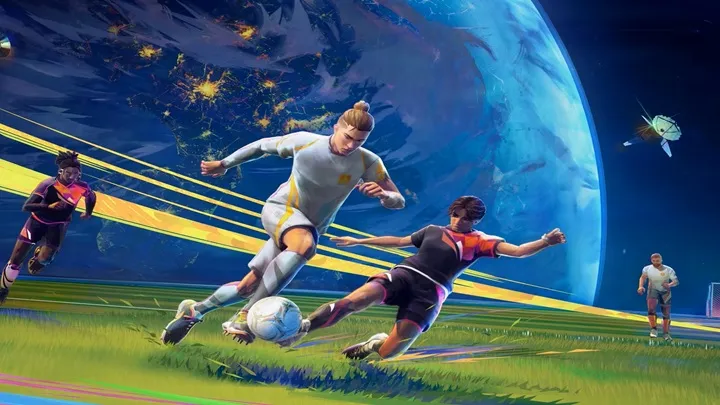
Rematches began informally—kids in a backyard yelling "again!" after a close game. The rise of organized sports standardized rematch formats through replays, aggregate scoring, and double-elimination brackets. With video games, rematches became instant: a single prompt to "play again" or "rematch" makes continuation frictionless.
Online platforms accelerated this evolution. Now, rematches can be global: ranked ladders, matchmaking queues, and spectated events all feed into a culture where a Rematch can escalate to worldwide attention in a single stream. Every major hot game places rematch options at its core because players demand immediate opportunity to apply lessons learned.
Timeline highlights
- Early sports: official replays and rematch clauses.
- Arcade era: players queued to reclaim the top score.
- Console era: local instant replay and retry options.
- Online era: global rematches, ranked revenge matches, and broadcast rematch narratives.
What changed with technology
Real-time data, analytics, and replay systems allow players and coaches to study matches in granular detail—feeding better rematch preparation and higher-level counter-strategies.
The Psychology Behind Wanting a Rematch
Human motivation drives rematch culture. Losing triggers a need for closure; winning creates the desire to prove the result wasn’t fluke. Emotional investment, pride, and narrative thinking all combine to make rematches psychologically compelling.
Players view rematches as learning opportunities. The first match provides diagnostic feedback: where you succeeded, where you failed, and what your opponent does well. Approaching the next match with a reflective mindset can turn frustration into focused improvement.
Emotions and performance
Emotions like anger, determination, shame, or elation influence decision-making. How to control these emotions in a Rematch is as crucial as technical skill.
Cognitive reframing
Treat a rematch as an experiment: test one variable at a time (a different strategy, a positional change, a pacing shift). This reframing reduces pressure and promotes steady improvement.

How To Prepare Practically for a Rematch
Preparation separates reactive players from proactive winners. If you want a different outcome, plan for it. Preparation involves three layers: analysis, physical/mental readiness, and tactical rehearsal.
Start with post-match analysis. Review the key moments—what turned the tide? Identify patterns that led to losses and victories. Use simple metrics (time of death, error types, objective control) and subjective observation (timing, decision-making, map control).
Steps for analysis
- Watch the replay from a neutral vantage point, not just from your perspective.
- Note recurring mistakes and moments when momentum shifted.
- Write down three specific adjustments to test in the rematch.
Conditioning and warm-up
Physical readiness (hand/wrist stretches, a warm-up routine) and mental readiness (breathing exercises, brief visualization) can prevent slow starts. Treat a rematch like any competitive round—even a quick warm-up can improve reaction time.
Tactical Adjustments: How To Change Your Game Plan
Adapting your tactics is the quickest path to a different result. If you played aggressively in Match One and lost, consider shifting to controlled aggression or a slower, positional approach. If you were defensive, try proactive pressure to disrupt your opponent's rhythm.
List probable counters: what will your opponent change? Prepare contingency plans. Practicing alternate strategies in low-stake environments helps reduce cognitive load during the rematch.
Practical tactical options
- Switch roles or positions to explore different engagements.
- Alter pacing—force the opponent out of familiarity by speeding up or slowing down key moments.
- Introduce a deliberate fake or bait—make your opponent commit and punish it.
Use of deception and unpredictability
Deception is a high-reward tool in a hot game. Small changes—an unexpected opening, a feint, or an atypical selection—create doubts and buy you time to capitalize on opponent hesitation.
The Role of Communication and Team Dynamics in Rematches
For team-based hot games, communication is often the difference-maker. A quick, calm callout during decisive moments mitigates confusion and turns tactical adjustments into coordinated actions. After a loss, teams must debrief without blame and agree on a short list of actionable changes.
Individual players should be clear about responsibilities and triggers for calls. Practice concise callouts. During a rematch, reduce verbosity—short phrases and agreed-upon signals outperform long explanations.
Team debrief checklist
- What failed and why? Focus on systems, not people.
- What are two things we will change immediately? Keep it small.
- Who takes responsibility for which change? Clear ownership helps execution.
Leadership in a rematch
A level-headed leader stabilizes morale and keeps the team focused. Leadership isn't only verbal; calm behavior under pressure models how others should act.
Mistakes to Avoid During a Rematch
Even experienced players fall into common traps when rematches occur. Awareness of these pitfalls helps you avoid them.
Overcompensation is a frequent issue—after a loss, players alter too many things at once and lose their core strengths. Another classic is emotional tilt: playing to punish or vent rather than to win. Overconfidence can also be lethal for prior winners, who may relax and underestimate their opponent's adjustments.
Common pitfalls
- Changing everything instead of focusing on key variables.
- Allowing emotions to drive choices rather than strategy.
- Ignoring opponent's potential adaptations.
Recovery strategies
If you sense tilt, pause: take three deep breaths, reset your objective to a single, achievable goal, and proceed. Simplicity beats complexity under stress.
Training Between Rematches: How To Improve Long-Term
Short-term rematch wins are satisfying, but long-term growth comes from consistent, structured practice. Build a routine that balances mechanics, strategy, and mental resilience. Use targeted drills to shore up weaknesses revealed in rematches.
Micro-practice—10 to 20 minutes of focused drill—has disproportionate benefits. If your weakness is aim, do a focused aim routine. If your decision-making falters, run scenario simulations that mimic critical moments.
Practice framework
- Mechanics: drills for reaction time and fine motor control.
- Strategy: replay study and tactical brainstorming.
- Resilience: breathing, visualization, and controlled exposure to pressure.
Use of coaching and feedback
External feedback accelerates improvement. A coach or experienced peer can spot blind spots you miss. Keep feedback specific and actionable: "Work on timing of ultimates" beats vague critique.
Iconic Rematches and Lessons from the Pros
Professional scenes provide clear examples of rematch dynamics. Legendary rivalries in esports and sports teach patterns: successful players adapt quickly, manage emotions, and make small, decisive changes. Study famous rematches for tactics and mindset.
These matches often contain turning-point moments—strategic gambits, clutch plays, and clear exploitation of opponent tendencies. Extract lessons rather than copying moves; the pros operate within distinct systems that you must adapt to your context.
What to study from iconic rematches
- Decision timing: when did players commit to high-risk plays?
- Resource management: how were critical resources used differently in the rematch?
- Psychological warfare: how did momentum swings get created or arrested?
Translating pro lessons to everyday play
Pros have resources you might not, but their mindset—discipline, focus on fundamentals, and iterative learning—scales down nicely to casual or amateur settings.
The Future of Rematch Culture in Next-Gen Gaming
Advances in matchmaking, AI coaching, and real-time analytics will shape how rematches happen. Expect systems that recommend optimal rematch timing, suggest strategy adjustments based on replay analysis, and offer personalized drills between rematches.
Cross-platform play and cloud streaming will make rematches even more accessible. The cultural appetite for rematch-driven narratives ensures that developers will keep designing systems to facilitate fair, exciting second chances in every hot game.
Anticipated developments
- AI-driven rematch recommendations tailored to learning outcomes.
- Integrated replay analysis with targeted practice modules.
- More transparent rematch mechanics in ranked systems to balance fairness.
Staying ready for future changes
Keep learning fundamentals. Tech changes, but the core skills—decision-making, adaptation, and composure—remain constant.
Conclusion
A Rematch is not simply another round; it's a strategic doorway to improvement, redemption, and spectacle. Whether you're wondering how to prep for your next challenge or trying to master a hot game, the principles in this guide apply: analyze, adapt, communicate, and train deliberately. Focus on small, measurable changes, control your emotions, and approach every rematch as an experiment in learning. Do that consistently, and you won't just win isolated rematches—you'll elevate your performance across seasons.